In a remarkable breakthrough more than a century after its transmission, an encrypted German military message from the closing days of World War I has finally been decrypted. The message, sent by radio on November 27, 1918, had baffled cryptographers for 108 years until advanced artificial intelligence from OpenAI stepped in to solve the puzzle.
The encrypted communication employed the ADFGVX cipher, a sophisticated system combining substitution and transposition techniques, which was widely used by the German army during the war. Despite numerous attempts over the decades, the cryptogram’s content remained elusive—until recently, when a developer known as Prinz harnessed GPT-6 Astra, one of OpenAI’s most powerful AI models, to crack the code.
AI Unlocks a Century-Old Military Secret
Utilizing GPT-6 Astra’s advanced processing capabilities, Prinz successfully reconstructed the message’s original text. Notably, the decrypted content aligns closely with historical records from the era, lending credibility to the AI’s interpretation and confirming that the solution is authentic rather than speculative.
This achievement highlights the growing role of artificial intelligence in tackling longstanding historical enigmas, demonstrating how modern technology can illuminate aspects of the past that were previously inaccessible. The key to unraveling this cryptic message lay in the AI’s ability to analyze complex patterns inherent in the ADFGVX cipher, a feat that had eluded human cryptanalysts for over a century.
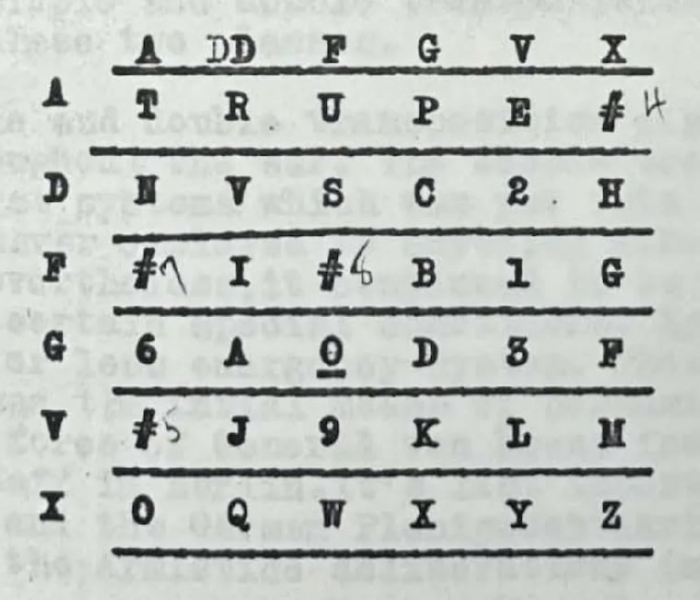
This breakthrough not only resolves a lingering historical mystery but also showcases the transformative potential of artificial intelligence in fields beyond its traditional applications, including cryptography and historical research.