The cinematic adaptation of The Odyssey has emerged as this year’s standout film, having already amassed over $600 million in box office revenue within just ten days. While audiences eagerly await the debut of the world’s most iconic superhero later this week, the film’s unique interpretation of Homer’s epic has sparked considerable discussion, particularly regarding its conclusion. Renowned director and two-time Oscar winner, Christopher Nolan, has now offered insight into the creative decisions behind these alterations, especially those affecting the story’s final moments.
Reimagining the Ending: Nolan’s Perspective
In explaining the changes made to the original narrative, Nolan acknowledged the challenges inherent in adapting such a revered yet complex source material. “The end of the poem is so grim and so misogynistic,” he stated, emphasizing that while he chose to omit certain elements from the original text, he aimed to preserve the story’s core commentary on masculinity and the nature of war. This delicate balancing act required him to navigate between conveying the harsh realities depicted in the poem and avoiding the perpetuation of its more problematic themes.
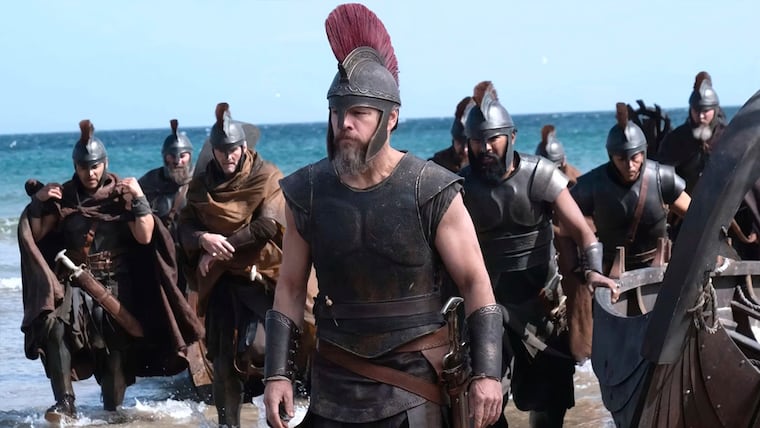
Among the most significant modifications was the way Nolan reframed the story of Odysseus himself, a narrative choice that has drawn attention from critics and scholars alike. By reshaping key plot points and character motivations, Nolan sought to offer a version of the epic that resonates with contemporary audiences while remaining faithful to its enduring themes. His approach reflects a conscious effort to strike a nuanced tone, one that neither glorifies nor dismisses the turbulent legacy of Homer’s tale.