Between 2007 and 2024, Florida undertook a large-scale environmental project, depositing over 500,000 tons of recycled oyster and clam shells into the Gulf of Mexico. This initiative aimed to restore damaged oyster reefs and coastal ecosystems along the state’s Gulf Coast by reintroducing natural oyster habitats that had steadily vanished over the years. Notably, the shells used were sourced from seafood restaurants and processing facilities, preventing them from becoming landfill waste.
Initially, the project faced skepticism and criticism, with some observers accusing it of merely dumping waste into the ocean. During the early phases, visible signs of recovery were minimal, and even scientific experts remained uncertain about the long-term success of the endeavor. However, beneath the water’s surface, essential ecological processes were quietly unfolding, laying the foundation for habitat regeneration.
A Transformative Impact on Marine Life
Over nearly two decades, the deposited shells have evolved from what once appeared as discarded refuse into a vibrant foundation supporting thousands of marine species. This transformation highlights the potential of using recycled materials in ecosystem restoration, particularly in areas where natural oyster reefs have been depleted. The shells provide a critical substrate for oysters to attach to and grow, enabling the gradual reestablishment of complex marine communities that rely on these reefs for shelter and food.
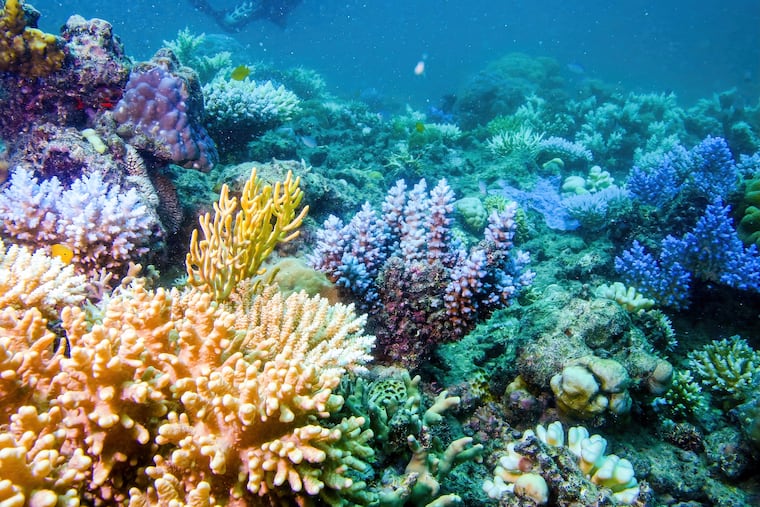
What started as a controversial experiment has now become recognized as a powerful environmental strategy that leverages discarded oyster and clam shells to rebuild marine ecosystems. The success seen along Florida’s Gulf Coast serves as a compelling example of how human intervention, when thoughtfully applied, can facilitate the recovery of vital natural habitats.