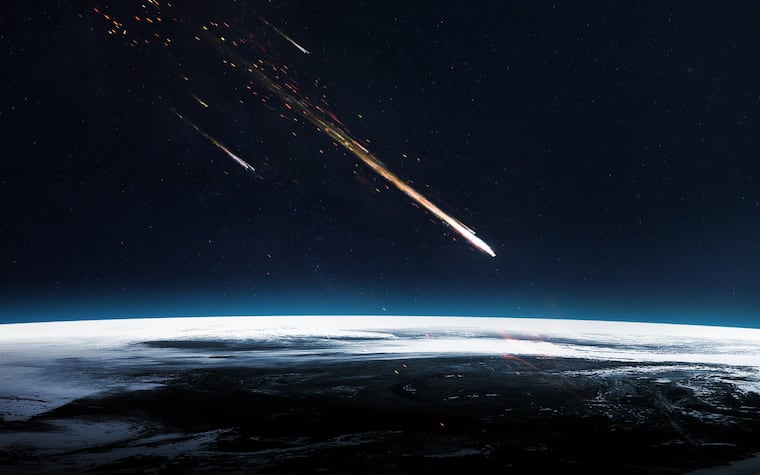
On July 16, 2024, a meteorite caused a significant stir in New York City as it streaked through the daytime sky, passing just south of the Statue of Liberty. Although the space rock exploded in the atmosphere, a substantial fragment weighing approximately 2.97 pounds survived the fiery descent and landed on the roof of a residence in the town of Hillsborough.
Since its dramatic arrival, scientists have been meticulously analyzing the meteorite. Their investigations recently uncovered a remarkable discovery: the space rock contains several hundred amino acids that are unknown on Earth. Amino acids, widely recognized as the fundamental building blocks of proteins, are essential to life as we know it, yet the variety found in this meteorite extends far beyond the 22 amino acids used by terrestrial organisms.
Extraterrestrial Origins of Amino Acids
Amino acids found on Earth are universal to all life forms, from fungi thriving in soil to birds soaring in the sky, but many other amino acids exist beyond our planet. These extraterrestrial amino acids are believed to form in interstellar space, particularly on the icy mantles coating dust particles. These dust particles are not composed solely of water ice but also harbor compounds such as carbon monoxide and ammonia, creating a rich chemical environment where complex organic molecules can develop.
The presence of such a diverse array of amino acids in the Hillsborough meteorite provides compelling evidence of organic chemistry occurring far beyond Earth’s atmosphere. This finding opens new avenues for understanding the molecular diversity that exists in space and the potential origins of life-building compounds throughout the cosmos.