The iceberg known as B-15 remains a landmark event in polar science, decades after it first calved from the Antarctic ice shelf. Despite its initial breakup shortly after formation, fragments of B-15 were still visible and tracked as recently as 2023.
Originating from the Ross Ice Shelf in March 2000, B-15 measured approximately 295 kilometers in length and 37 kilometers across, covering an impressive area of about 4,247 square miles. This expanse roughly equals the size of Jamaica, making it the largest iceberg ever recorded. Although other icebergs like A23a have attracted more attention over time due to their longevity, B-15 remains unmatched in sheer size.
Scientists explain that the formation of B-15 was part of a natural fracturing cycle within the Ross Ice Shelf, occurring approximately every few decades. The event’s scale and timing captured global attention, elevating it beyond typical scientific observation to a widely recognized phenomenon.
The Legacy of B-15’s Fragments
Following its detachment, B-15 began to break apart rapidly. Between 2000 and 2003, it fractured into several large blocks, with B-15A emerging as the most prominent fragment. This piece alone spanned about 2,471 square miles, maintaining a significant presence in the region.
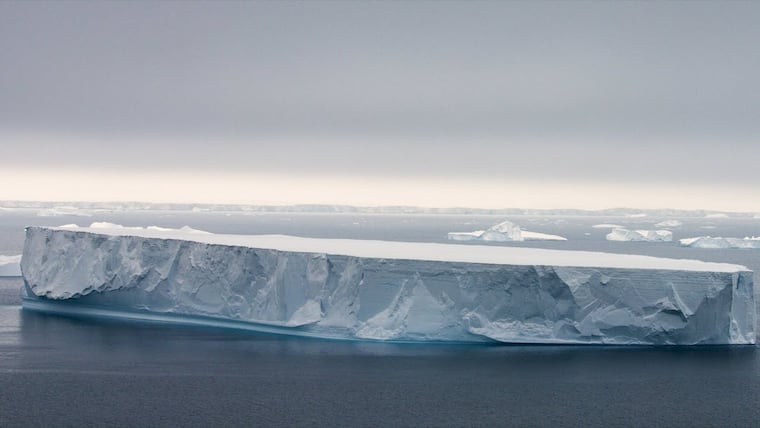
B-15A became a focus of scientific study in its own right, drifting through the Ross Sea near New Zealand and impacting the local environment. Its movements and interactions with the surrounding ecosystem provided valuable data, even as it disrupted marine and coastal activities in the area.
Over time, the original colossal iceberg’s pieces diminished in size and influence, but the legacy of B-15 endures as a reminder of the dynamic and powerful forces shaping Antarctica’s ice shelves.