Tiger Woods, the celebrated 15-time major golf champion, has been ordered not to drive for the next five years following a legal proceeding related to a serious traffic incident earlier this year. This unprecedented restriction marks a significant departure from the athlete’s usual lifestyle, which has involved frequent travel between golf courses around the world and a recent focus on recovery from multiple injuries.
The 50-year-old golfer reached a plea agreement in a Florida court on Wednesday concerning his March rollover accident and subsequent arrest. Rather than contesting the charges, Woods entered a no-contest plea after prosecutors downgraded the original DUI-related case. As part of the resolution, he received a five-year suspension of his driver’s license and was hit with financial penalties.
During the court session, Judge Darren Steele issued a firm warning to Woods, emphasizing the severity of the driving ban: “There are no exceptions,” the judge declared, making it clear that any attempt by Woods to drive during the suspension period would result in immediate jail time.
The Crash That Triggered the Driving Ban
The license suspension stems from the events of March 27, when Woods’ SUV collided with a trailer attached to a truck near his residence on Jupiter Island, Florida. The impact caused Woods’ vehicle to roll onto its side. Fortunately, no injuries were reported from the accident, but law enforcement officers who responded noted signs of impairment in Woods at the scene.
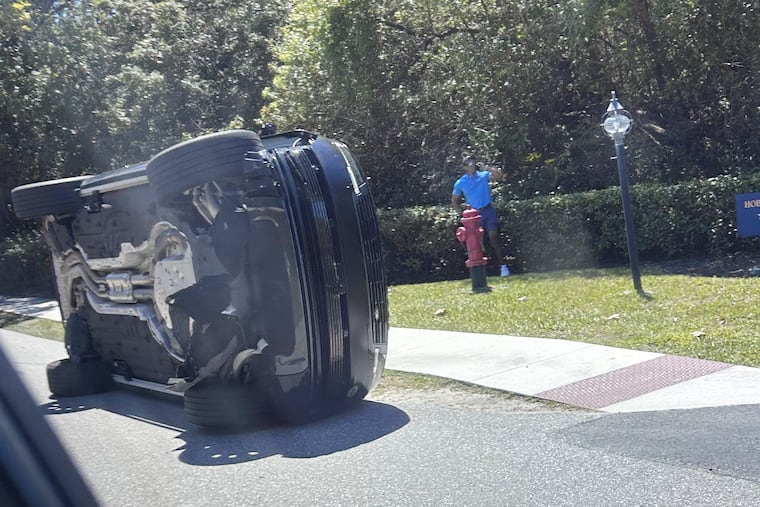
This incident and its legal aftermath now impose strict limitations on Woods’ ability to operate a vehicle, a significant development for the athlete who has faced numerous challenges both on and off the course in recent years. The court’s firm stance underscores the consequences of the crash and sends a clear message regarding compliance with the suspension conditions.