In 1959, the state of Vermont purchased the land that would eventually become part of the Snake Mountain wildlife area. However, the sale did not include the rights to the timber, which the previous owner retained. This separation of land ownership and logging rights has persisted for over six decades, leaving the property fragmented in terms of control.
Now, in a move to consolidate stewardship, the Vermont Department of Fish and Wildlife, in partnership with the Trust for Public Land, is aiming to acquire the timber rights for approximately 950 acres within this protected region. Additionally, the state intends to expand the wildlife area by purchasing another 256 acres located between the towns of Addison and Weybridge. These acquisitions are anticipated to be finalized by early 2027.
Currently, the wildlife area encompasses nearly 1,200 acres of forests and wetlands, predominantly surrounded by agricultural land. The proposed expansions and reunification of land and timber ownership are expected to enhance habitat connectivity for local wildlife, provide increased opportunities for outdoor activities such as hiking, hunting, and birdwatching, and enable forest management under a unified conservation strategy.
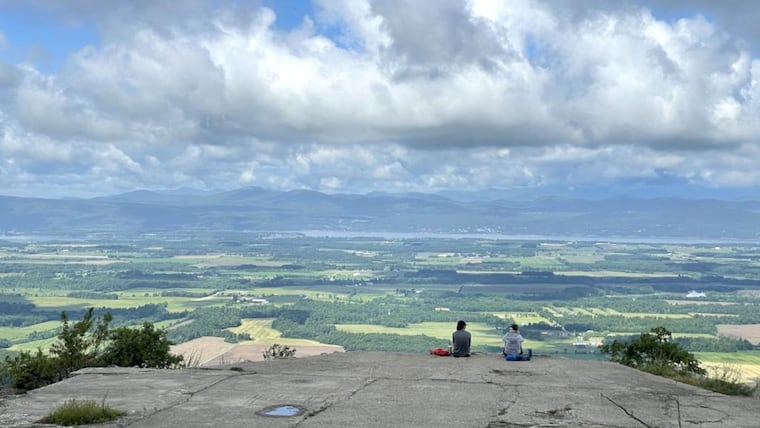
Ecological Importance Drives State’s Efforts
Beyond recreational benefits, Snake Mountain is significant for its ecological diversity. The area contains eight distinct types of wetlands, contributing to a rich and varied habitat that supports numerous species. The state’s initiative to unify land and timber ownership underscores a broader commitment to preserving this valuable ecosystem through comprehensive management and protection.