بيت التنين يكشف تدريجيًا عن طبقات معقدة من الكون الذي وضعه جورج ر. ر. مارتن، منسوجًا لمحات من الماضي وتلميحات لما هو قادم. من بين هذه الكشفات توجد إشارات عابرة إلى ديانيرس تارجيريان وحوارات دقيقة تستكشف البدايات الغامضة للتنانين—مخلوقات كانت على وشك الانقراض، وهو ما كان واضحًا بالفعل عند فجر صراع العروش، ومع ذلك فإن إرثها يهيمن على الموسم الثالث من السلسلة التمهيدية.
يتعمد العرض أن يمشي بحذر على أسطورة التنانين، معترفًا أن وجودها يعود إلى ما قبل الحرب الأهلية الشهيرة لتارجيريان، وهي نزاع أشارت إلى تراجعها. يبقى سؤال أصلها الحقيقي إلى حد كبير بدون إجابة، لكن لحظة حاسمة تحدث خلال محادثة بين رينييرا تارجيريان والأسقف الأكبر، والتي تتناول واحدة من أكثر النظريات شهرة ضمن ملحمة أغنية الجليد والنار.
المقاومة الدينية وأسرار التنانين
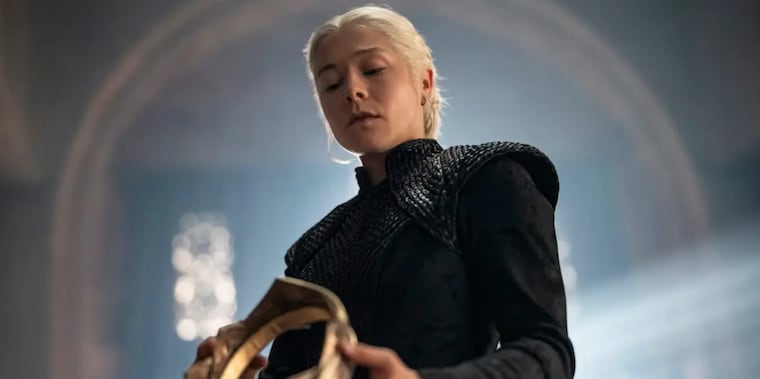
عند عودتها إلى الحصن الأحمر، تواجه رينييرا عقبة كبيرة: يرفض الأسقف الأكبر أن يمنحها التثبيت. يعتمد رفضه على غياب بقايا إيغون الثاني. على الرغم من إصرار رينييرا، يظل الأسقف الأكبر ثابتًا، معلنًا أن آلهته “لا تتعامل مع التنانين”. يدين التنانين باعتبارها “سحرًا نجسًا أُبدع في الظلام والكبرياء والطمع في السلطة، من أجل الإفلات من العقاب”، ويصور الوحوش الأسطورية على أنها تجسيدات للسحر المحرم بدلاً من المخلوقات الإلهية.
يبرز هذا الحوار بشكل خفي التوتر بين الإيمان والسلطة في المملكة، مع إشارة إلى الأصول الغامضة والمظللة للتنانين ذاتها. يدعو الحوار المشاهدين إلى إعادة التفكير في طبيعة التنانين—ليس فقط كأسلحة أو رموز للفتح، بل ككيانات غامضة مغلفة بالأساطير والشكوك، وأصلها الحقيقي مغلف في سر قديم.