تم رفع دعوى جماعية ضد سامسونج، ميكرون، وSK هينكس، الثلاثة المصنعين الرائدين في صناعة شرائح الذاكرة، تتهمهم بالتلاعب عمدًا في سوق الرام. تزعم الدعوى أن هذه الشركات تآمرت لتقييد العرض من أجل الحفاظ على أسعار مرتفعة بشكل مصطنع، وهو إجراء قد يمثل واحدة من أهم قضايا مكافحة الاحتكار في قطاع الأجهزة الحديثة في الآونة الأخيرة.
تظهر الدعوى في ظل ارتفاع أسعار DRAM، التي أصبحت مصدر قلق رئيسي في سوق الإلكترونيات الاستهلاكية. يؤثر هذا الارتفاع على مجموعة واسعة من المنتجات، بما في ذلك الحواسيب الشخصية، الهواتف الذكية، أجهزة ألعاب الفيديو، وبطاقات الرسوميات، والتي تعتمد بشكل كبير على الرام. يتزامن توقيت ارتفاع الأسعار بشكل ملحوظ مع النمو السريع لتقنيات الذكاء الاصطناعي، الذي أدى إلى زيادة الطلب على شرائح الذاكرة المستخدمة في مراكز البيانات ومسرعات الذكاء الاصطناعي.
ادعاءات التلاعب بالسوق وسط الطلب المدفوع بالذكاء الاصطناعي
يؤكد المدعون أن الزيادات الأخيرة في الأسعار ليست نتيجة حتمية فقط لديناميكيات العرض والطلب المعتادة. وفقًا لتقارير Law360، التي استشهدت بها VGC، قد تكون الشركات المتهمة قد شاركت في جهود منسقة لتقليل إنتاج الرام، مما أدى إلى تضخيم الأسعار بما يتجاوز ما كانت ستحدده ظروف السوق بشكل طبيعي. إذا تم تأكيد ذلك، فإن السلوك يشير إلى وجود احتكار يهدف إلى الاستفادة من سوق الذكاء الاصطناعي المتوسع من خلال السيطرة على توفر وتكلفة مكونات الذاكرة الحيوية.
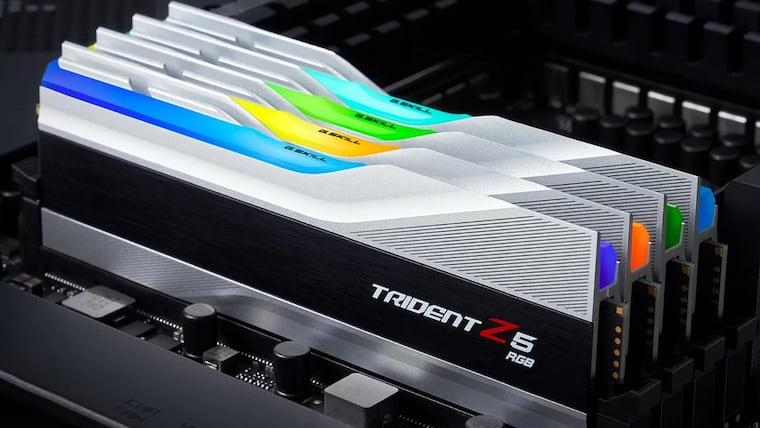
مع استمرار تأثير أسعار الرام على القدرة على تحمل التكاليف وأداء التكنولوجيا اليومية، يسلط هذا التحدي القانوني الضوء على التدقيق الذي تتعرض له كبار الموردين في سوق حاسمة لتقدم الإلكترونيات الحديثة. القضية، التي تتقدم حاليًا عبر النظام القضائي الأمريكي، قد يكون لها تداعيات واسعة على ممارسات الصناعة وشفافية التسعير في قطاع شرائح الذاكرة.